Before ordering custom embroidery, you want to know whether the finished design will look clear, sit neatly on the product and represent your idea accurately. Readable lettering, balanced placement and clean patch finishing are useful details to check when comparing examples.
At IDC Embroidery, we create custom caps, letterman jackets and patches for individuals, schools, teams and businesses. We’ve prepared this guide to help you assess embroidery quality and ask practical questions before choosing your customization.
Check the Finished Work, Not Just the Product Description
Words such as “premium,” “custom” and “handmade” do not explain everything about a finished item. Look at actual examples and consider whether their decoration suits the product.
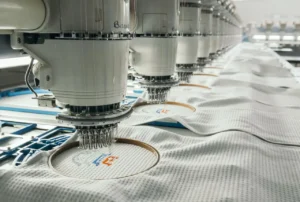
Custom embroidery can involve machine stitching alongside hands-on preparation and finishing. The method alone does not establish quality. Artwork, size, placement and the material being decorated also affect the result.
Our project gallery provides a starting point for viewing different kinds of customization. Examine both the complete product and its smaller details.
Separate Garment Quality From Embroidery Quality
A cap or jacket has two parts to evaluate: the product itself and the decoration added to it.
Check the garment’s fit, comfort and construction separately from its embroidery. A clear design does not resolve an uncomfortable fit, and a comfortable garment can still carry lettering that is difficult to read.
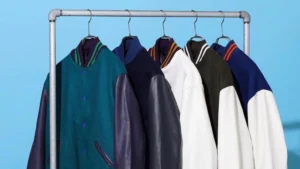
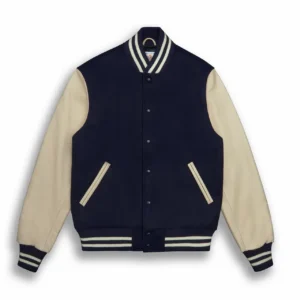
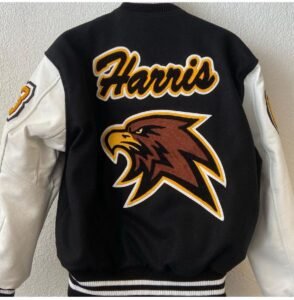
When discussing our custom letterman jackets, include questions about both the jacket and its planned decoration.
Make Sure the Lettering Is Readable
Lettering should be understandable at the intended finished size. A name, school initial or business logo loses its purpose if important details become difficult to distinguish.
Look at the spaces inside and between letters. Notice whether neighboring characters appear to merge or whether a smaller line of wording disappears beneath a larger design.
We suggest checking artwork at a realistic size rather than judging only an enlarged screen image.
Check Small Text Before Committing
A long business name or several lines of wording may not suit a small cap design. Reducing everything to fit can make the lettering less useful.
Decide which words must remain readable. A shorter version, simpler arrangement or different placement may better preserve the message.
Explore our custom hats, caps and beanies when considering how your wording will fit the headwear you want.
Review Names, Numbers and Dates Separately
Check every name carefully: even neat embroidery cannot correct a spelling mistake in the approved wording.
Read names, player numbers and graduation years individually. For a group order, compare each entry against one clear list rather than relying on several messages or documents.
Ask what wording and design details you will review before work proceeds. This helps keep expectations clear from the beginning.
Look for Fabric Distortion Around the Design

Embroidery should be evaluated together with the material carrying it. Look around the stitched area for obvious gathering, pulling or changes in the fabric’s shape.
A curved cap or a garment photographed at an angle can affect what you see. If something looks uneven, ask for a clearer view before reaching a conclusion.
We recommend comparing a close-up with a full-product image. The close-up shows stitching, while the wider image shows how the decoration sits on the item.
Notice Ripples and Pulled Areas
Check whether the fabric around a logo appears noticeably rippled or drawn inward. These signs deserve a closer look, particularly if the design is intended to sit on a relatively flat area.
An isolated photograph may not explain the cause. Ask about the material and request another angle if the example is unclear.
The goal is to understand the finished appearance rather than judge a product from one uncertain image.
Consider the Material Being Decorated
A design may behave differently on a firm cap, a soft garment or a jacket panel. Avoid assuming that artwork shown on one product will look identical on another.
Tell us which item you want customized when discussing your embroidery project. That information matters alongside the artwork itself.
Evaluate Placement on the Complete Product
Neat stitching can still look awkward if its placement does not suit the item. Check where the design sits in relation to seams, pockets, closures and other decoration.
For a centered design, look at its relationship to the intended panel rather than the entire photograph. A product turned slightly toward the camera can make placement difficult to judge.
We encourage customers to describe the desired location clearly instead of relying on phrases such as “somewhere on the front.”
Check the Design’s Size and Balance
Consider whether the decoration is large enough to read without overwhelming the available space.
On a jacket, names, letters and patches need to work together. On a cap, a simple design may be more effective than a crowded arrangement.
Our letterman jacket design guide covers layout planning in more detail.
Think About How the Item Looks When Worn
A jacket laid flat does not show exactly how its decoration will appear on the body. Similarly, a cap has a curved surface.
Where possible, review examples that show the complete item from more than one angle. This helps you understand the relationship between the decoration and the product’s shape.
Inspect Patch Edges and Finishing
A patch should be considered as a complete piece, including its outline, lettering and artwork.
Look for an edge that appears consistent with the intended shape. Check for obvious loose threads, unfinished sections or lettering crowded against the border.
Some designs have deliberately irregular outlines. Judge the finish against the requested design rather than assuming every patch should have a circular or rectangular border.
Our custom embroidered patches provide a route to discussing your artwork, size and intended use.
Compare Chenille and Embroidered Patch Quality
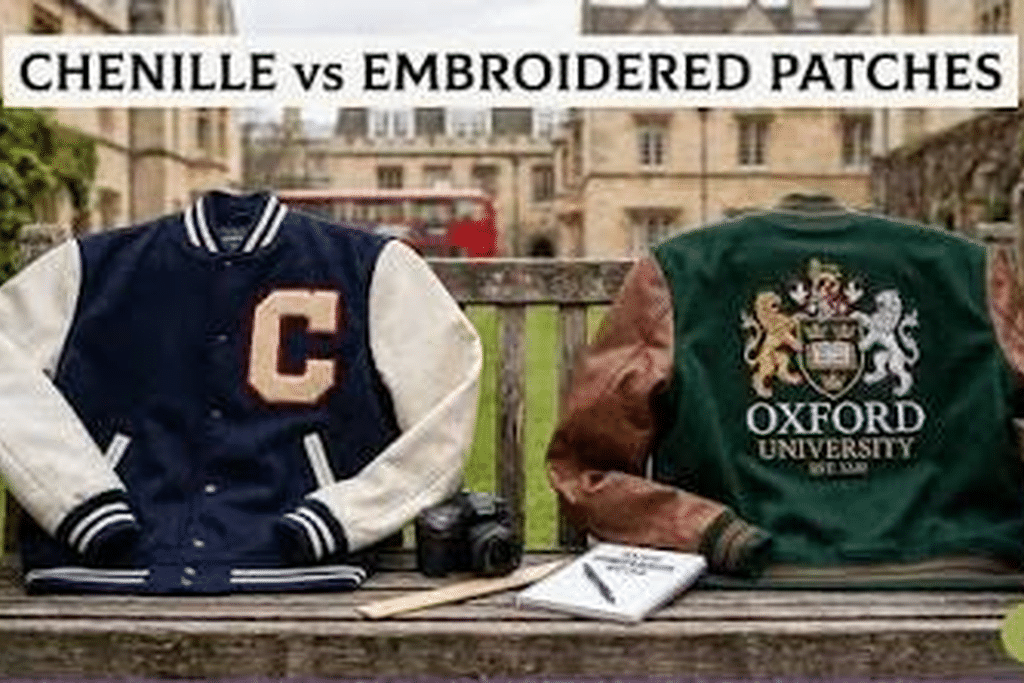
Chenille and embroidered patches have different appearances. A raised varsity letter should not be assessed as though it were intended to reproduce tiny logo details.
For chenille, consider the overall shape, texture and clarity of the main design. For embroidered patches, examine the lettering, artwork definition and edge finish at the chosen size.
Our chenille versus embroidered patches guide explains the differences between these options.
Choose the Right Patch Texture for Your Design
Choose a finish around the result you want. A bold school letter may benefit from the textured appearance of chenille. A logo may place greater importance on recognizable shapes and readable wording.
Neither finish is automatically better for every project. Explore our custom chenille patches when considering a traditional varsity look.
Check How an Attached Patch Sits
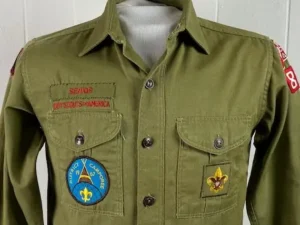
If you are evaluating a patch already attached to clothing, examine its position and how its edges sit against the garment.
Notice whether it lies as intended or whether an edge appears to lift. Also consider whether the attachment has visibly pulled the surrounding material.
The appropriate attachment method depends on the patch and garment. An iron-on backing does not make a patch suitable for every fabric. Leather and heat-sensitive materials require particular care.
Before changing an existing item, discuss its material, lining and decoration area. Removing or moving a patch can leave visible marks.
Confirm the Details That Affect Your Order
A clear order description helps prevent avoidable mistakes. Quality includes receiving the wording, placement and product details you intended—not simply neat stitching.
Before confirming your requirements, check:
- Exact names, numbers, dates and the correct artwork version.
- Products, quantities, colors and intended decoration positions.
- What the quote includes and the expected schedule.
For a group order, keep personalized details in one document. Ask how design information will be reviewed, and resolve unclear wording before proceeding.
Our letterman jacket cost guide explains relevant pricing factors. Your own quote should reflect the actual project requirements.
Frequently Asked Questions
How Can I Tell Whether Custom Embroidery Looks Good?
Check readability, placement and how the decoration sits on the material. Examine both close-up details and the complete product. We suggest asking about anything that appears unclear, distorted or unfinished.
Does Machine Embroidery Mean Lower Quality?
Not by itself. The equipment does not explain every aspect of the result. Artwork preparation, design size, material suitability and finishing also matter. We recommend evaluating actual finished examples.
Why Does the Fabric Around Embroidery Look Wrinkled?
The photograph, product shape or embroidery-related distortion may affect what you see. Ask for a clearer view and information about the material rather than assuming one image establishes the cause.
Why Might My Logo Need Simplifying?
Small text and fine lines can become difficult to distinguish at the intended size. Simplifying less important details may help the main design remain recognizable. Share your artwork and tell us which features are essential.
How Do I Know Whether a Patch Edge Is Finished Properly?
Compare the edge with the intended shape. Look for obvious loose threads or unfinished areas, while allowing for deliberately irregular outlines. We encourage you to ask about anything that does not match your expectations.
Can You Customize a Cap or Jacket I Already Own?
That depends on the item and requested work. Send us photographs and describe the customization you want so we can discuss suitability before you commit to the project.
Will Removing a Patch Leave Marks?
It can. Stitch holes, adhesive residue or changes in the material’s appearance may remain. We suggest planning placement carefully, especially on leather or clothing you want to preserve.
What Should I Send When Requesting an Embroidery Quote?
Share the product, quantity, artwork or exact wording, preferred colors and placement. Include any event date you are working toward so we can discuss your project’s requirements.
Let’s Discuss Your Custom Embroidery
You don’t need to understand every production detail before contacting us. Bring your idea, explain how you’ll use the item and tell us which features matter most.
Request a quote from IDC Embroidery or call (562) 202-9794. Our shop is at 9727 Somerset Boulevard, Bellflower, CA 90706.