You’ve found the perfect patch for your jacket, but there’s one important decision left: should you sew it on or use an iron? The wrong attachment method could leave your patch peeling at the edges, damage the jacket material, or make a meaningful school achievement difficult to preserve.
For students, parents, and jacket owners in Bellflower, CA, choosing the right attachment method matters just as much as selecting the patch itself.
At IDC Embroidery, we create personalized patches and custom letterman jackets that help customers represent their achievements and individual style. This guide explains how sew-on and iron-on patches compare, which materials need extra care, and what to consider before attaching patches to your favorite jacket.
Sew-On vs. Iron-On Patches: What’s the Difference?
Both methods attach decorative patches to clothing, but they use different techniques.
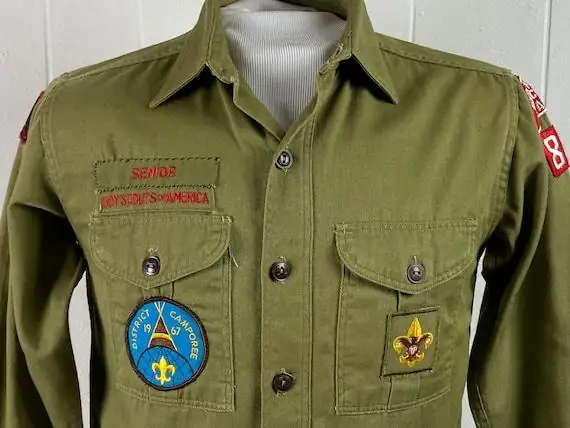
Sew-on patches are secured with stitching around their edges or through appropriate areas of the design. Iron-on patches typically have a heat-activated adhesive backing that bonds to compatible fabric when heat and pressure are applied.
Here’s how they compare:
| Feature | Sew-On Patches | Iron-On Patches |
| Attachment | Thread stitching | Heat-activated adhesive |
| Durability | Generally better for long-term wear | Depends on fabric and adhesive |
| Washing | Usually more secure when properly stitched | Adhesive may weaken over time |
| Application | Requires sewing skills or equipment | Can be simpler on suitable fabrics |
| Heat exposure | No adhesive activation needed | Requires controlled heat |
| Letterman jackets | Often a safer long-term choice | May be unsuitable for some materials |
Neither method works equally well on every garment. The patch backing, jacket fabric, and intended use should guide your decision.
Why Sew-On Patches Are Popular for Letterman Jackets
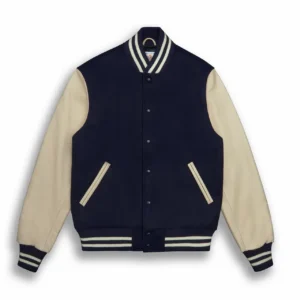
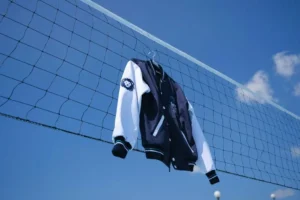
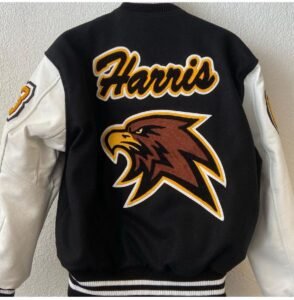
Traditional letterman jackets often feature chenille letters, sports emblems, graduation years, and achievement patches. These decorations are meant to represent important memories, so secure attachment matters.
If you’re still deciding which designs belong on your jacket, our letterman jacket patches guide explains common patch types, meanings, and placement options.
Better Security for Long-Term Wear
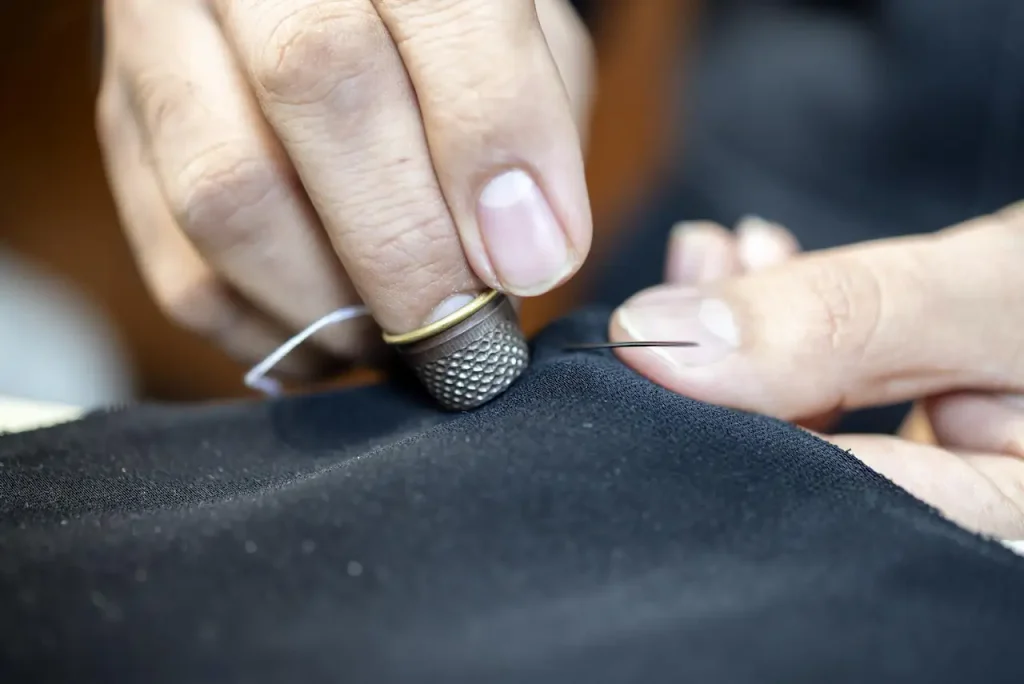
Properly stitched patches are generally more resistant to lifting around the edges than patches relying entirely on adhesive.
This is especially useful for larger varsity letters and jackets worn frequently during school activities or sporting events.
However, stitch quality, patch thickness, and jacket construction still affect durability.
Suitable for Different Jacket Materials
Sewing can work on wool, denim, and certain leather or synthetic materials when the correct equipment and technique are used.
Some materials require specialized needles, careful handling, or access to the jacket lining. For example, sewing through leather creates permanent needle holes, making accurate positioning important.
If you’re choosing a new patch design, explore IDC Embroidery’s custom embroidery patches to learn about personalized options for jackets, teams, and organizations.
When Are Iron-On Patches a Practical Choice?
Iron-on patches can be convenient for certain casual clothing projects, particularly when the fabric and patch backing are designed for heat application.
Quick Application on Compatible Fabrics
Many iron-on patches can be attached to suitable cotton or denim garments using the manufacturer’s recommended heat, pressure, and application time.
This can make them practical for simple customization projects when sewing is not preferred.
However, different adhesives require different application conditions. Following the specific patch and garment instructions is essential.
Why Adhesive Patches May Not Last as Long
Repeated washing, movement, moisture, and wear may weaken an adhesive bond over time.
Patch corners or edges can begin lifting, especially on garments that stretch or experience frequent friction.
For jackets intended to last through several school years, sewing may provide greater security than relying on adhesive alone.
Can You Iron Patches Onto Wool or Leather Jackets?
This is one of the most important questions to consider before attaching a patch to a varsity jacket.
Many letterman jackets combine a wool body with genuine leather or synthetic sleeves. These materials may react differently to heat.
Risks of Applying Heat to Wool
Excessive heat and pressure can affect wool fibers, finishes, and garment shape. Some wool fabrics may develop unwanted surface changes when pressed incorrectly.
Although certain wool garments can tolerate controlled pressing, that does not mean every wool letterman jacket is suitable for an iron-on patch.
Always check the garment’s care instructions and the patch manufacturer’s requirements.
Why Leather and Faux Leather Require Extra Caution
Direct heat can damage leather finishes or affect the texture and appearance of synthetic coatings.
Faux leather may soften, deform, or become damaged at temperatures needed to activate some patch adhesives.
Because of these risks, do not assume an iron-on patch is safe for leather or faux leather sleeves.
Professional advice is particularly valuable when working with expensive or sentimental jackets.
Which Attachment Method Handles Washing Better?
Properly sewn patches typically remain more secure during repeated garment movement and cleaning, provided the stitching and underlying fabric are sound.
Patch construction also affects appearance and care requirements. Our chenille vs. embroidered patches comparison explains how these two popular styles differ before you choose one for your jacket.
Iron-on adhesive can gradually weaken, particularly when exposed to heat, moisture, or unsuitable washing conditions.
However, the patch attachment is only one part of jacket care.
A wool-and-leather letterman jacket may require specialized cleaning regardless of whether its patches are sewn or bonded.
Follow the jacket’s complete care instructions rather than assuming a securely attached patch makes the entire garment machine washable.
Should You Attach Jacket Patches at Home?
DIY patch application can work for straightforward projects, but some jackets require additional care.
Common DIY Application Mistakes
Applying patches without checking the garment or backing instructions can lead to problems such as:
- Using excessive heat on sensitive jacket materials
- Positioning patches incorrectly before permanent attachment
- Creating uneven stitching or damaging the jacket lining
These mistakes can affect the appearance of both the patch and the garment.
When Is Professional Stitching Worth Considering?
Professional stitching is worth considering for valuable letterman jackets, large chenille letters, thick patches, or designs that require careful alignment.
It may also be appropriate when patches need to be attached to sleeves, lined jackets, or areas that are difficult to access.
IDC Embroidery offers custom jacket and patchwork services in Bellflower. Before bringing in an existing garment, contact the shop to confirm whether your particular patch and jacket can be accepted for the requested work.
If you’re planning a complete varsity jacket, explore our custom letterman jackets to discuss coordinated patch and personalization options.
How to Prepare Your Jacket and Patches Before Requesting a Quote
A little preparation can make your customization inquiry more productive.
First, identify the jacket material and check whether the patch has an adhesive backing or is intended for stitching.
Next, decide where you want the patch positioned. Consider nearby pockets, seams, existing embroidery, and other decorations.
For letterman jackets, you may also want to leave space for future achievements or graduation patches. If you’re planning a complete jacket layout, our guide on how to design the perfect letterman jacket can help you organize your colors, lettering, and patches.
Take clear photographs of the jacket and patch, including the intended attachment area. Share these details with IDC Embroidery so the shop can review your request and explain the available options.
Frequently Asked Questions
Is it better to sew or iron patches onto a letterman jacket?
Sewing is generally the more reliable long-term option, particularly for traditional wool-and-leather jackets. The best method still depends on the jacket material, patch construction, and manufacturer instructions.
Can I sew an iron-on patch instead of ironing it?
Some iron-on patches can also be sewn around their edges. Check whether the patch backing and thickness allow stitching without damaging the patch or garment.
Will an iron-on patch damage my varsity jacket?
It can if the jacket material cannot tolerate the required heat and pressure. Wool, leather, and faux leather require particular caution.
Can I add new patches to a letterman jacket I already own?
Additional patches may be possible depending on the jacket’s material, construction, existing decorations, and available space. Contact IDC Embroidery to discuss the specific garment before making changes.
Choose the Right Patch Attachment for Your Jacket
Both sew-on and iron-on patches have their place, but long-term durability and material compatibility should guide your decision. For traditional letterman jackets and meaningful achievement patches, professional stitching is often worth considering.
At IDC Embroidery in Bellflower, CA, we help customers explore personalized jacket designs and custom patch options that reflect their schools, teams, and achievements.
Contact IDC Embroidery to discuss your jacket, share your patch design, and request information about available customization services.