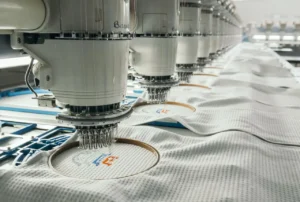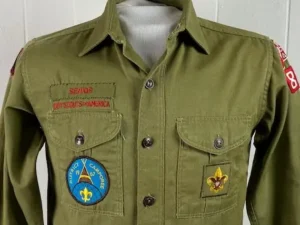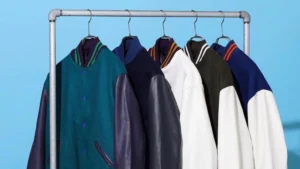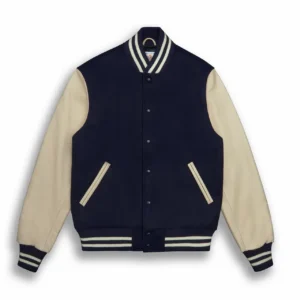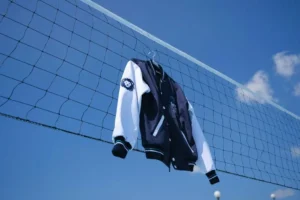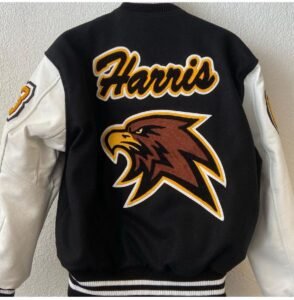
Chenille patches are one of the easiest ways to give a jacket, hoodie, team garment, or custom apparel piece a bold varsity-style look. Their raised texture, strong colors, and dimensional finish make them especially popular for school letters, sports designs, team identities, clubs, and personalized jackets.
But choosing the right chenille patch involves more than picking a shape and color.
You also need to think about size, placement, backing, design complexity, garment type, and how the finished patch will work with the rest of your apparel.
For customers in Bellflower planning custom jackets or personalized clothing, this guide explains what to consider before ordering chenille patches and how to choose a design that looks intentional rather than crowded.
What Makes Chenille Patches Different?
Chenille patches are known for their soft, raised surface. Instead of relying only on flat threadwork, chenille uses looped yarn to create a textured finish that stands out from the garment.
That dimensional appearance is one reason chenille is so closely associated with varsity and letterman jackets.
Chenille works especially well when the design needs to be:
- Bold
- Easy to recognize
- Large enough to stand out
- Visually different from standard embroidery
School letters, numbers, team initials, mascots, and simple symbols are all common uses.
If you are looking specifically for custom patch production, IDC Embroidery’s chenille patches page covers the main service options.
Start With What the Patch Needs to Represent
Before choosing colors or size, decide what the patch actually needs to communicate.
School Identity
A large initial or school letter is one of the most traditional uses for chenille. These designs usually work best when they remain simple, bold, and easy to recognize.
Team or Club Identity
Sports teams, clubs, car groups, and organizations may use chenille patches for initials, numbers, logos, or group names.
Personal Achievement
A patch can also represent a graduation year, award, milestone, position, or other achievement that matters to the wearer.
The clearer the purpose, the easier it becomes to make good choices about shape, size, color, and placement.
Choose the Right Patch Size
Size is one of the most important design decisions because chenille is naturally bold.
A patch that is too small may lose the visual impact that makes chenille effective. A patch that is too large can overwhelm the garment or leave little space for names, numbers, or other customization.
Smaller Patches
Smaller chenille designs can work well for:
- Sleeves
- Secondary achievements
- Small initials
- Supporting design elements
Larger Patches
Larger patches are more appropriate for:
- Main varsity letters
- Large numbers
- Back designs
- Important team or school identity elements
Before approving a patch, consider the actual garment area rather than looking at the design by itself.
Match the Colors to the Garment
A well-designed patch should feel connected to the apparel rather than added as an afterthought.
Think about:
- Jacket body color
- Sleeve color
- Trim
- Existing embroidery
- Other patches
- School or team colors
Contrast is important. If the patch color is too similar to the garment, important details may disappear.
On the other hand, using too many unrelated colors can make the finished apparel look busy.
For varsity-style jackets, consistency usually creates the strongest result.
Decide How Much Detail the Design Needs
Chenille works best for bold shapes and lettering. It is not always the right technique for highly detailed artwork.
Chenille Works Well For
- Large letters
- Numbers
- Simple logos
- Bold shapes
- Team initials
- Varsity-style graphics
Detailed Designs May Need Embroidery
If the design includes:
- Fine text
- Small facial details
- Intricate logos
- Detailed illustrations
traditional embroidery may be the better option.
Many jackets use both techniques. You can compare the two approaches in IDC’s guide to chenille vs embroidery patches.
Choose the Right Patch Shape
Shape affects how the patch looks on the garment and how easily it fits with other design elements.
Popular options include:
- Letters
- Numbers
- Circles
- Shields
- Rectangles
- Custom silhouettes
A large letter may work well on the chest, while a number or smaller symbol may be better suited to a sleeve.
The shape should support the purpose of the patch instead of making the design more complicated than necessary.
Think About Patch Placement Before Ordering
One of the most common mistakes is designing a patch before deciding where it will go.
Placement affects both the size and shape you should choose.
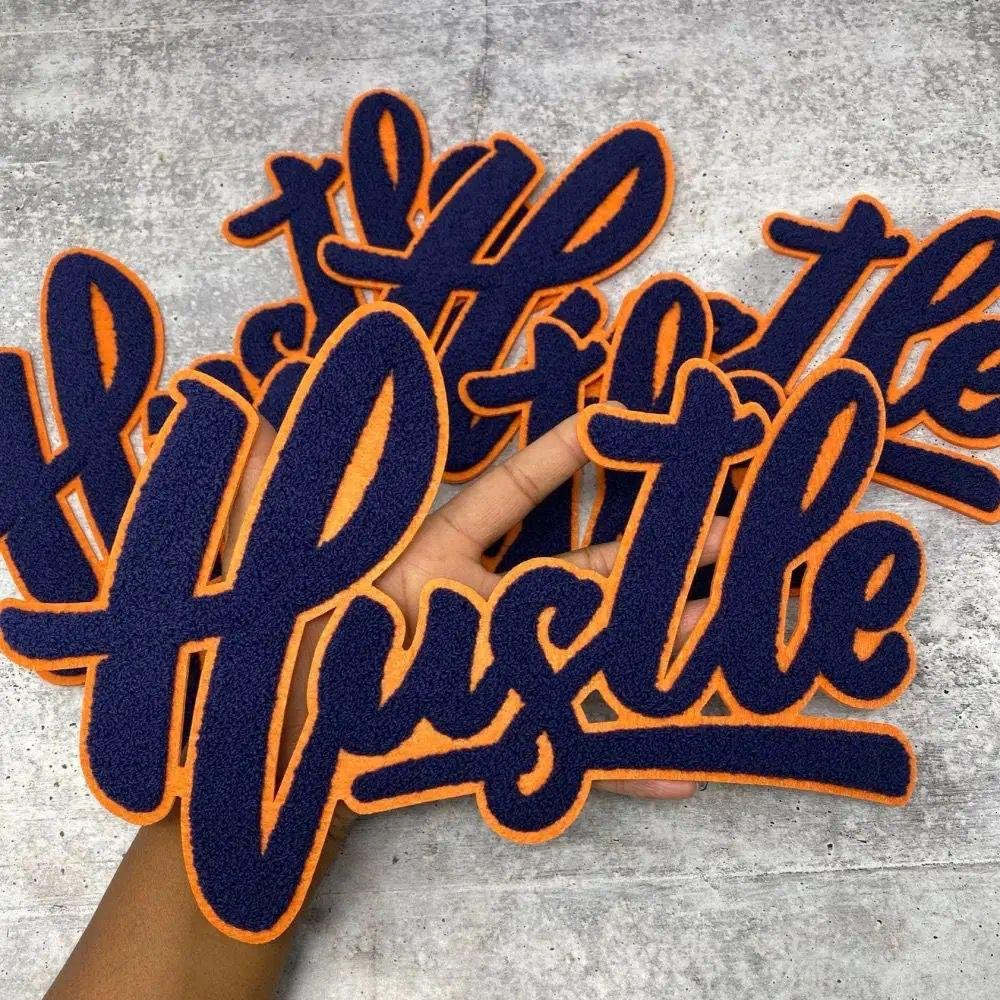
Front Chest
The chest is a natural place for:
- Varsity letters
- School initials
- Names
- Smaller achievement patches
Sleeves
Sleeves work well for:
- Numbers
- Graduation years
- Sports patches
- Smaller achievements
Back of the Garment
The back gives you more room for:
- Larger graphics
- Team names
- Mascots
- Custom artwork
If the patch is going on a letterman jacket, plan the whole layout before ordering. IDC’s custom letterman jackets page can help you understand how patches, embroidery, colors, and other jacket details work together.
Iron-On or Sew-On: Which Is Better?
The right attachment method depends on the garment and how often it will be worn.
Iron-On Patches
Iron-on backing can make placement easier for suitable fabrics and simple applications.
It may be useful when convenience is the main priority.
Sew-On Patches
Sew-on application generally provides a more secure attachment for jackets and garments that will be worn frequently.
For important jackets or long-term use, professional application can also help ensure the patch sits evenly and stays securely attached.
Before applying any patch, confirm that the backing method is appropriate for the garment material.
How Many Chenille Patches Should You Use?
There is no ideal number.
The right amount depends on:
- Garment size
- Patch size
- Available space
- Number of achievements
- Overall design style
A letterman jacket with several achievements may naturally include more patches than a team hoodie or casual jacket.
The goal should be balance.
Start with the most important patch, then build the design around it. Leaving open space can make individual patches stand out more clearly.
What Makes a High-Quality Chenille Patch?
A strong chenille patch should look good both from a distance and up close.
Clean Edges
Borders should feel intentional and consistent rather than uneven.
Clear Shapes
Letters, numbers, and symbols should be easy to recognize.
Strong Color Contrast
Important design details should remain visible against the garment.
Proper Proportions
The patch should fit the garment and surrounding elements without overpowering them.
Secure Application
The finished patch should be attached in a way that suits the garment and intended use.
You can review examples of IDC’s finished embroidery and apparel projects on the Our Work page.
When Should You Choose Chenille Instead of Another Patch Style?
Chenille is a good fit when you want the traditional varsity appearance and a design with strong texture.
It is especially effective for:
- Letterman jackets
- School letters
- Sports teams
- Club jackets
- Achievement pieces
For smaller or more detailed artwork, you may prefer custom embroidery patches.
The two styles can also be combined when a jacket needs both bold varsity elements and detailed artwork.
Frequently Asked Questions About Chenille Patches
What are chenille patches best used for?
Chenille patches work especially well for varsity letters, numbers, school designs, sports achievements, team identities, and other bold designs that benefit from a raised textured finish.
Are chenille patches good for letterman jackets?
Yes. Chenille is one of the most recognizable patch styles used on traditional letterman and varsity jackets.
Can chenille patches include custom colors?
Yes. Colors can be selected to coordinate with the garment, school identity, team colors, or personal design.
Can I use chenille and embroidery together?
Yes. Many custom jackets combine chenille for bold letters and numbers with embroidery for names, logos, or detailed artwork.
Should chenille patches be sewn or ironed on?
The best method depends on the patch backing, garment material, and intended use. Sew-on attachment is commonly chosen for jackets and garments that will be worn frequently.
How big should a chenille patch be?
The ideal size depends on where the patch will be placed. Main chest letters and back designs can usually be larger, while sleeve and achievement patches often work better at a smaller scale.
Can chenille patches be used on clothing other than varsity jackets?
Yes. Chenille patches can also be used on hoodies, team apparel, bags, club jackets, and other garments when the material and patch application are suitable.
Where can I get custom chenille patches in Bellflower?
IDC Embroidery provides custom chenille patch and embroidery services in Bellflower for jackets, teams, schools, organizations, and personalized apparel.
Choose a Patch That Fits the Whole Design
The best chenille patch is not simply the largest or most colorful option. It is the one that works with the garment, fits the available space, communicates the right achievement or identity, and complements the rest of the design.
Before ordering, think about size, placement, colors, attachment method, and whether chenille is the right technique for the level of detail you need.
If you have an idea but are not sure how to turn it into the right patch, contact IDC Embroidery to discuss your design, garment, and customization options.