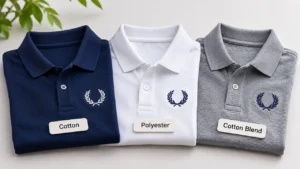
Two polo shirts can feature the same embroidered logo but look completely different. One may have clean lettering and a smooth finish, while the other may wrinkle around the stitching or lose definition in smaller details. The difference often starts with the fabric.
At IDC Embroidery, we’re a family-owned embroidery shop in Bellflower, CA. We help businesses, schools, teams, and organizations create personalized apparel with attention to the details that matter, including fabric selection.
Why Does Polo Fabric Matter for Embroidery?
Embroidery adds stitches directly to the fabric. The thickness, texture, stretch, and stability of that fabric influence how the finished design appears.
Choosing a suitable material can help:
- Reduce puckering around embroidered designs.
- Improve logo definition and lettering clarity.
- Maintain comfort during everyday wear.
- Support a professional appearance after repeated washing.
The embroidery technique, stitch density, and backing material also play important roles in achieving a clean finish.
What Is the Best Polo Fabric for Embroidery?
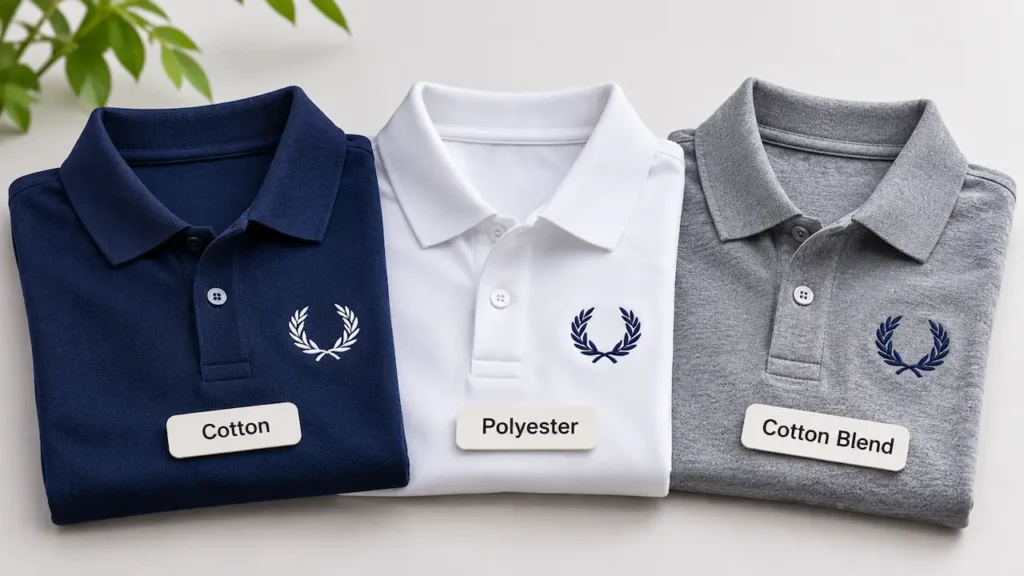
Medium-weight cotton-polyester blend polos with a stable knit are a practical choice for many everyday embroidery projects. Cotton polos offer natural comfort, while moisture-wicking polyester polos are suitable for active workplaces and sports teams.
Cotton Polo Shirts
Cotton polos offer a soft, natural feel and are often chosen for comfortable everyday apparel.
Medium-weight cotton fabrics with a stable knit can provide a suitable surface for embroidered logos, names, and lettering.
Cotton may absorb moisture and can shrink depending on the garment construction and washing method. Following the manufacturer’s care instructions helps maintain its appearance.
Polyester Polo Shirts
Many performance polyester fabrics are designed to manage moisture and dry quickly, making them useful for employees who spend time outdoors or remain active throughout the day.
Lightweight polyester fabrics may require careful stabilization during embroidery to reduce puckering and distortion.
Cotton-Polyester Blend Polo Shirts
Cotton-polyester blends combine characteristics of both materials, offering a practical balance between comfort, durability, and ease of care.
Depending on the fabric composition, blended polos may resist wrinkles and shrinkage better than comparable pure cotton garments.
They are a versatile option for businesses looking to create consistent employee uniforms worn across different working environments.
Cotton vs. Polyester vs. Blended Polos
| Fabric | Main Benefits | Embroidery Considerations | Best For |
| Cotton | Soft, comfortable, breathable | Choose a stable knit with suitable thickness | Offices and retail businesses |
| Polyester | Quick drying, durable, lightweight options | Lightweight fabrics may need additional stabilization | Sports teams and active employees |
| Cotton-polyester blend | Balanced comfort and easy care | Suitable for many everyday logo designs | Employee uniforms and branded apparel |
| Stretch performance blend | Flexibility and freedom of movement | Requires careful handling of fabric stretch | Active workwear and athletic apparel |
There is no single fabric that works best for every project. When planning your custom embroidered polos and uniforms, consider both the appearance of your logo and the practical needs of the people wearing them.
Piqué vs. Jersey Polo Fabric: What’s the Difference?
Fabric composition is only one part of choosing a polo shirt. The way the material is knitted also affects the embroidery result.
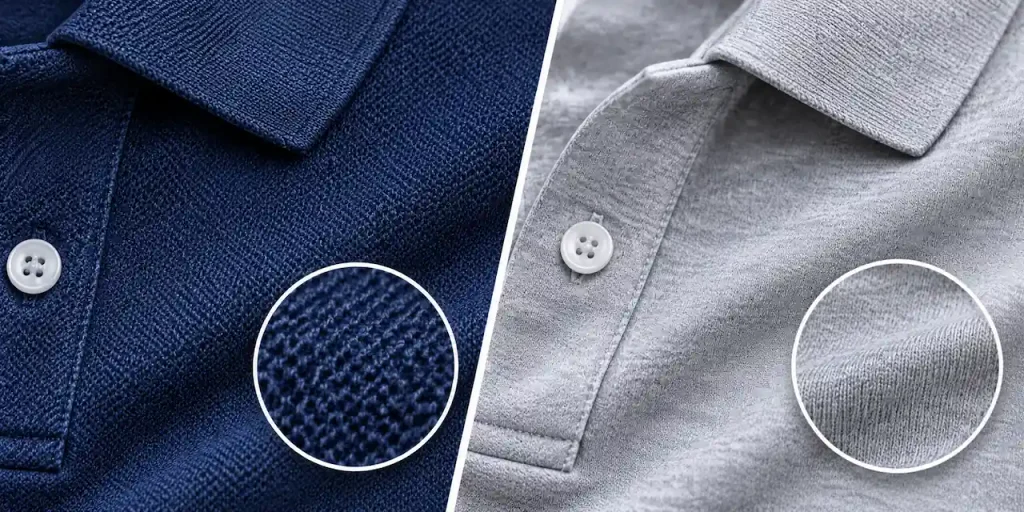
Piqué Polo Fabric
Piqué has a distinctive textured surface commonly associated with traditional polo shirts.
Its structured appearance works well for professional uniforms, business logos, and school apparel. However, very fine lettering may require careful design adjustments because of the textured knit.
Jersey Polo Fabric
Jersey fabric typically has a smoother surface and a softer, more casual feel.
The smoother finish can help small embroidered details remain visible. However, lightweight or stretchy jersey fabrics may require additional support during stitching.
How Fabric Weight and Stretch Affect Embroidered Logos
A polo shirt needs enough stability to support the embroidery without creating unnecessary stiffness or pulling the surrounding material.
Fabric Weight
Medium-weight polos often provide a useful balance between comfort and embroidery support.
Very lightweight fabrics may show puckering around dense designs, while heavier fabrics can provide more structure but may feel warmer during extended wear.
Fabric weight is commonly measured in grams per square meter (GSM). While GSM can help compare garments, it does not determine embroidery suitability on its own. Knit structure and stretch also matter.
Fabric Stretch
Stretch fabrics are comfortable for active employees and sports teams, but excessive movement during stitching can affect logo alignment.
Match Your Logo Design to the Polo Fabric
A large, densely stitched logo places different demands on a fabric than a small company name or simple chest logo.
When preparing your polo embroidery design, consider:
- The overall size of your logo.
- The thickness of lettering and outlines.
- The amount of filled stitching.
- The stretch and texture of your chosen polo.
- The contrast between thread and fabric colors.
For lightweight polos, simplifying heavily filled areas or reducing unnecessary design details may help improve the finished appearance.
Our logo embroidery requirements guide explains how to prepare your artwork for a custom embroidery project.
Choosing Polo Fabric for Your Business, School, or Team
Every customer has different apparel requirements. Choosing fabric around those needs can help you create polos that people enjoy wearing.
Office and Retail Employees
Cotton or cotton-polyester blended polos can provide a comfortable, professional appearance for employees working in customer-facing environments.
Outdoor and Service Businesses
For contractors, delivery teams, and employees working outdoors in Southern California, moisture-wicking performance polos may offer practical benefits during warmer conditions.
Schools and Sports Teams
Polyester or blended polos can be suitable for coaches, school staff, and team representatives who need coordinated apparel for events and everyday activities.
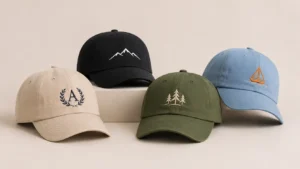
Matching polo colors with embroidered logos and custom hats and caps can help create a consistent team identity.
What to Check Before Ordering Embroidered Polos
Before placing your custom polo order, consider these six factors:
- Working environment: Will the polos be worn indoors, outdoors, or during physical activity?
- Fabric composition: Choose cotton, polyester, or a blend based on comfort and performance needs.
- Fabric stability: Consider the garment’s weight, knit structure, and stretch.
- Logo complexity: Check whether your artwork contains small lettering or densely stitched areas.
- Care requirements: Review the garment’s washing instructions for everyday use.
- Order requirements: Prepare your size breakdown, estimated quantity, and required delivery date.
You can also explore our custom embroidery work for inspiration when planning your branded apparel.
Frequently Asked Questions
Is cotton or polyester better for polo embroidery?
Both can work well. Cotton offers natural comfort, while moisture-wicking polyester can be suitable for active workplaces. Fabric stability, logo complexity, and embroidery technique are important for either material.
Can moisture-wicking polo shirts be embroidered?
Yes. Moisture-wicking polos can be embroidered when suitable stabilization and stitching techniques are used. Lightweight performance fabrics may require additional care to prevent distortion.
Why does polo fabric pucker around embroidery?
Puckering can result from unsuitable backing, excessive stitch density relative to fabric stability, fabric stretch, or improper embroidery thread tension. Matching the embroidery approach to the garment helps reduce this problem.
Is piqué fabric good for embroidered polos?
Yes. Piqué is a popular choice for traditional embroidered polos because of its structured appearance. Detailed designs may need adjustments to account for the textured surface.
What polo fabric is best for employee uniforms?
Medium-weight cotton-polyester blends with a stable knit are a practical option for many everyday uniforms. Moisture-wicking performance polyester may be better suited to active or outdoor workplaces.
Let’s Create Custom Polos Made for Your Brand
Have a project in mind? Share your logo, preferred polo style, fabric requirements, estimated quantity, and any important deadlines with us.
Contact IDC Embroidery to discuss your custom polo embroidery project and request a personalized quote.