Your leather jacket might already look great, but what if you want to make it truly yours? Adding a name, logo, team emblem, or personalized design can transform an ordinary jacket into something meaningful. However, embroidery on leather jackets isn’t as simple as stitching a design onto a cotton shirt.
Leather behaves differently from traditional fabrics. Every needle hole can leave a permanent mark, incorrect stitching can weaken the material, and poor design placement can damage an expensive or sentimental jacket.
So, can you embroider on leather jackets safely, and what should you consider before customizing one?
At IDC Embroidery in Bellflower, California, we create custom letterman jackets, embroidered patches, and personalized apparel. Our team helps customers explore jacket designs, materials, and decoration options. For leather-specific embroidery or customer-owned jackets, it’s important to confirm service availability and garment compatibility before proceeding.
This guide explains the risks, design options, costs, and preparation steps involved in leather jacket customization.
Can You Embroider Directly on a Leather Jacket?
Yes, certain types of leather can be embroidered directly using suitable equipment, needles, backing materials, and carefully planned stitching techniques.
However, not every leather jacket is a good candidate.
Unlike woven fabrics, leather doesn’t naturally recover from needle punctures. Once a needle passes through the surface, it creates a hole that may remain visible even if the embroidery is removed.
Direct leather embroidery requires careful consideration of:
- Leather thickness and flexibility
- Surface finish and coating
- Design size and stitch density
- Jacket lining and seam construction
- Embroidery machine access
- Placement and material stability
The safest approach is to evaluate the garment before deciding whether direct stitching or a separate patch is more appropriate.
Why Leather Requires Special Care During Embroidery
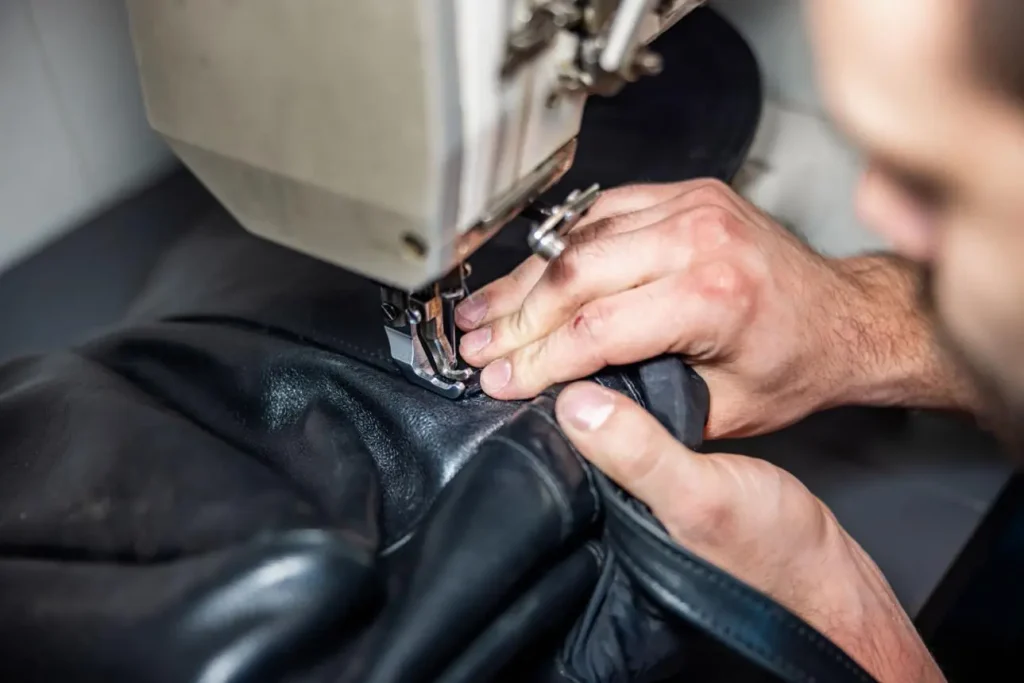
Leather is a durable material, but its structure creates unique challenges during customization.
Permanent Needle Holes
One of the biggest risks of leather jacket embroidery is that needle holes usually remain visible.
If stitches are removed or the design needs repositioning, the original punctures may still show.
Closely spaced needle penetrations can also weaken certain leather materials, increasing the risk of tearing along stitched areas.
This makes accurate placement and design approval especially important.
Stitch Density and Material Damage
Dense embroidery can place excessive stress on leather.
A design that works well on a cotton polo may require adjustments when applied to a leather surface.
Large filled areas, closely packed stitches, and detailed lettering can cause distortion, puckering, or unnecessary perforation.
An experienced decorator may recommend simplifying the artwork or choosing a different decoration method.
Jacket Lining and Construction
Many leather jackets have linings, pockets, reinforced seams, and multiple material layers.
These features can limit access to the outer leather surface and complicate embroidery placement.
Stitching without accounting for the lining may affect comfort, create unwanted folds, or interfere with pockets.
Genuine Leather vs. Faux Leather: What’s the Difference?
Both materials can appear similar, but they behave differently during embroidery.
Genuine Leather
Genuine leather varies in thickness, softness, finish, and durability.
Some flexible leather panels may be suitable for carefully controlled embroidery, while thick or highly finished surfaces can be more difficult to work with.
Since needle holes are permanent, repeated stitching or repositioning should be avoided.
Faux Leather
Faux leather usually consists of a synthetic coating bonded to a fabric backing.
Depending on its construction, the coating may crack, stretch, peel, or become damaged when punctured.
Heat-sensitive synthetic finishes can also be affected by certain adhesives and pressing techniques.
Important: Neither genuine nor faux leather should automatically be considered suitable for embroidery. Material compatibility must be assessed individually.
Best Embroidery Designs and Placements for Leather Jackets
Choosing an appropriate design is just as important as selecting the embroidery technique.
Small Logos and Personalized Names
Simple logos, initials, or short names may be easier to evaluate than large, densely stitched designs.
However, even smaller designs require suitable spacing, thread tension, and material support.
Before customization, check whether fine lettering or intricate details need to be simplified.
Chest and Front Panels
The chest is a popular location for names, small emblems, and personalized branding.
Placement must account for pockets, zippers, seams, and other construction features.
Avoid positioning embroidery too close to areas where the leather bends or experiences frequent stress.
Sleeves and Back Panels
Sleeves can provide space for names, numbers, or small decorative elements, but their curved shape and limited access may complicate stitching.
The back offers more design space, although large embroidery areas may create additional stress on the material.
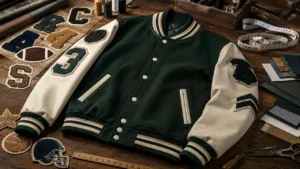
For varsity-style designs, our letterman jacket patch placement guide explains how different decorative elements can be arranged across jackets.
Direct Embroidery vs. Patches on Leather Jackets
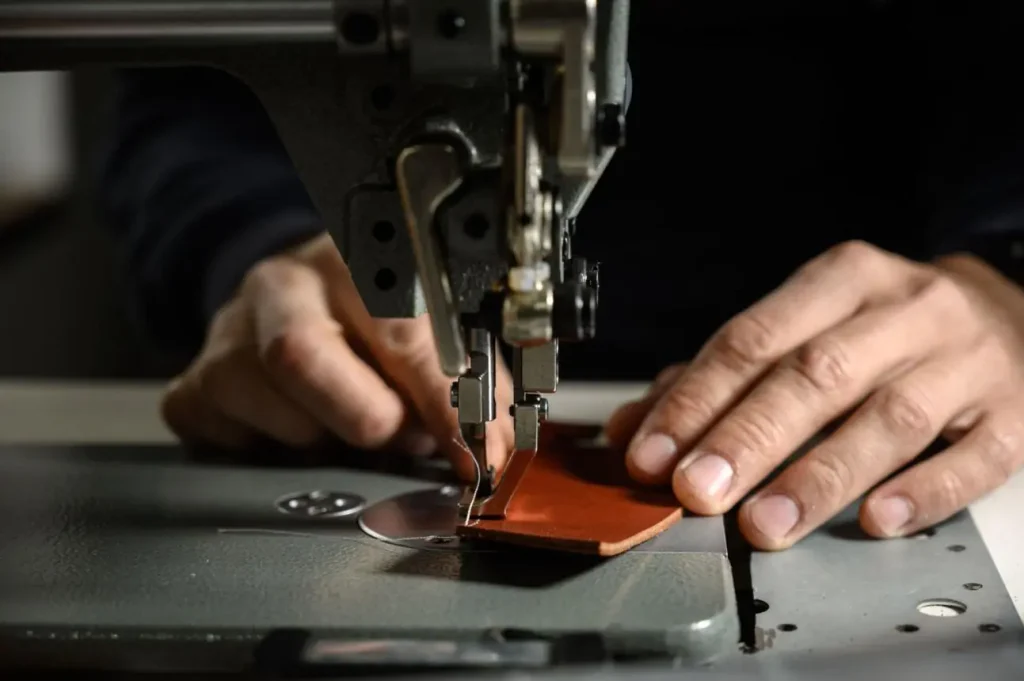
Direct embroidery isn’t the only way to personalize leather apparel.
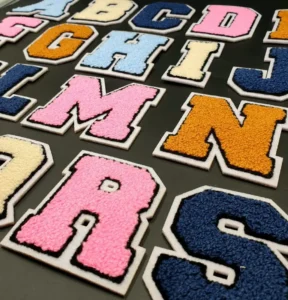
Custom patches provide another decorative option, particularly when a design is too large or complex for direct stitching.
| Feature | Direct Embroidery | Embroidered Patches |
| Application | Stitched into the jacket material | Produced separately and attached |
| Needle holes | Created throughout the stitched design | Usually concentrated around attachment points when sewn |
| Appearance | Integrated with the garment | Raised, layered appearance |
| Design flexibility | Limited by garment material and access | Design is created separately |
| Removal | Usually leaves visible needle holes | May be removable, but attachment marks can remain |
| Best use | Suitable approved designs and materials | Emblems, logos, and decorative customization |
When Direct Embroidery May Be Suitable
Direct embroidery may work for simple artwork placed on leather panels that have been assessed as suitable for stitching.
However, it requires careful planning and appropriate equipment.
When Patches May Be a Better Option
Patches can be useful for detailed logos, traditional varsity designs, and larger decorative elements.
They allow the embroidery itself to be produced separately, although attaching a patch to leather still requires careful consideration.
IDC Embroidery offers custom embroidered patches for jackets, teams, organizations, and personalized apparel.
For attachment considerations, read our sew-on vs. iron-on patches guide.
Avoid applying heat-activated patches to leather without confirming that the material and adhesive are compatible.
What Affects Leather Jacket Embroidery Costs?
Leather jacket customization costs depend on several factors, and pricing can vary significantly between projects.
Common considerations include:
- Jacket material: Genuine leather and synthetic alternatives require different handling.
- Design complexity: Small lettering and detailed artwork have different stitching requirements.
- Embroidery size: Larger designs may require additional production time.
- Artwork preparation: Designs may need adjustments for the material.
- Jacket construction: Linings, pockets, and seams can complicate access.
- Attachment method: Separate patches may involve additional installation requirements.
Customizing an existing jacket may also differ from decorating a new garment before assembly.
Rather than relying on generic online price estimates, request a project-specific quote from a provider experienced with the relevant material.
How to Prepare Your Leather Jacket for Customization
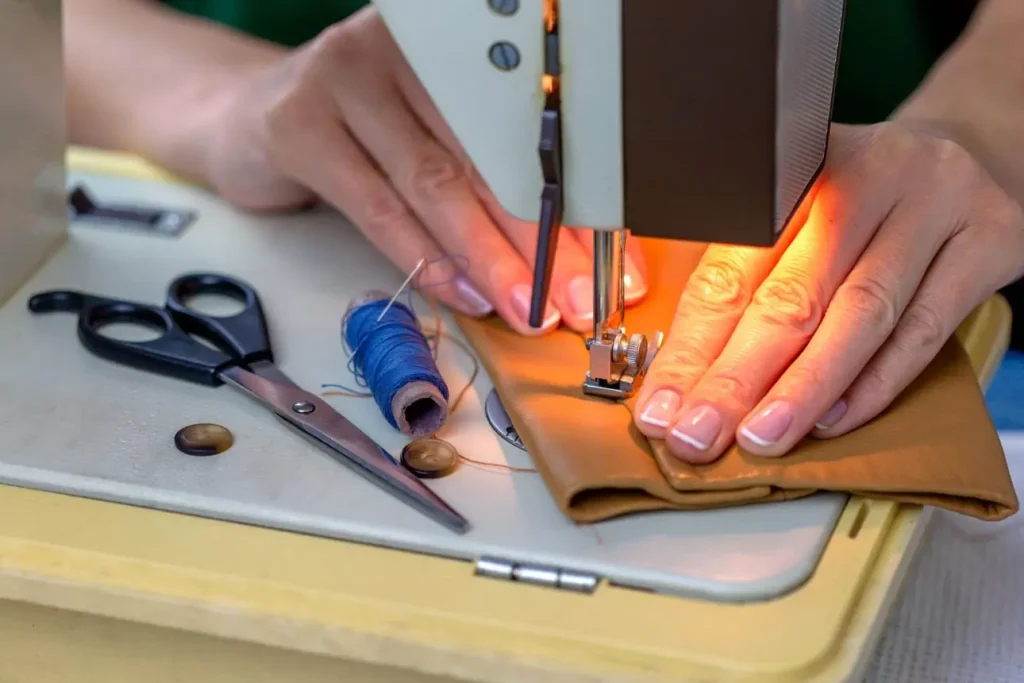
Before contacting an embroidery provider, gather the information needed to evaluate your project.
Step 1: Identify the Material
Check the garment label to determine whether the jacket is genuine leather, faux leather, or a combination of materials.
If the material is uncertain, avoid applying heat or attempting DIY stitching.
Step 2: Examine the Jacket’s Condition
Inspect the surface for cracks, peeling, weak seams, or existing damage.
Older or fragile leather may not tolerate additional needle punctures.
Step 3: Prepare Your Design
Choose your preferred logo, lettering, emblem, or decorative artwork.
Provide a clear image and approximate dimensions.
Step 4: Choose a Preferred Placement
Consider the chest, sleeve, or back, while avoiding areas with complicated seams or excessive movement.
Step 5: Confirm Available Customization Methods
Ask the provider whether your specific garment can be accepted and which methods are suitable.
Do not permanently modify an expensive leather jacket until the design and application method have been approved.
Leather Jacket Customization in Bellflower, CA
If you’re searching for leather embroidery near me, choosing a local provider allows you to discuss your design and garment requirements before making permanent changes.
At IDC Embroidery, we provide custom embroidery services in Bellflower, including personalized apparel, patches, and letterman jacket customization.
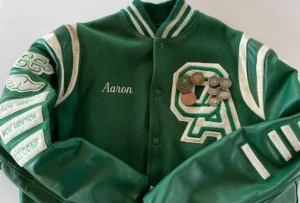
Our website also showcases traditional varsity jackets featuring wool bodies, leather sleeves, chenille letters, and embroidered details.
If you want to personalize a leather or faux-leather jacket, contact our team to confirm whether your material and requested customization can be accommodated.
IDC Embroidery is located at 9727 Somerset Boulevard, Bellflower, CA 90706.
Contact IDC Embroidery to Discuss Your Jacket
Frequently Asked Questions
Can You Embroider Directly on Genuine Leather?
Yes, some genuine leather materials can be embroidered using suitable techniques and equipment. However, leather thickness, finish, stitching density, and jacket construction must be evaluated before proceeding.
Will Embroidery Damage a Leather Jacket?
Improper embroidery can cause permanent needle holes, surface distortion, or tearing. Even correctly applied embroidery creates permanent punctures, so careful design placement is essential.
Can You Embroider on Faux Leather Jackets?
Some faux-leather materials may accommodate embroidery, but others can crack, peel, or deform during stitching. Compatibility depends on the synthetic coating and fabric backing.
Is It Better to Use Patches on Leather Jackets?
Patches may be preferable for larger or more detailed designs because the embroidery is produced separately. However, sewing or bonding a patch to leather still carries material-specific risks.
Can You Remove Embroidery From a Leather Jacket?
Stitches may be removable, but the needle holes generally remain visible. Attempting removal can also damage the leather surface, especially when the stitches are tightly packed.
Where Can I Find Leather Jacket Embroidery Near Bellflower, CA?
IDC Embroidery offers custom jacket and patch services in Bellflower. Contact the shop with photographs of your garment and design to confirm whether the requested leather customization is available.
How Long Does Leather Jacket Embroidery Take?
Production time depends on the design, material, garment construction, and selected customization method. A provider must evaluate the project before giving a reliable estimate.
Final Thoughts: Customize Your Leather Jacket Carefully
Embroidery on leather jackets can create a distinctive, personalized appearance, but successful customization requires more than choosing an attractive design.
Leather thickness, permanent needle holes, stitch density, placement, and jacket construction all affect the finished result.
Direct embroidery may suit certain materials and designs, while embroidered patches provide an alternative for logos, emblems, and decorative artwork.
Looking for custom jacket embroidery or patches in Bellflower, CA?
IDC Embroidery helps customers explore personalized jacket designs and custom patch options. Share your artwork and garment details so our team can review your requirements and explain which services are available.